
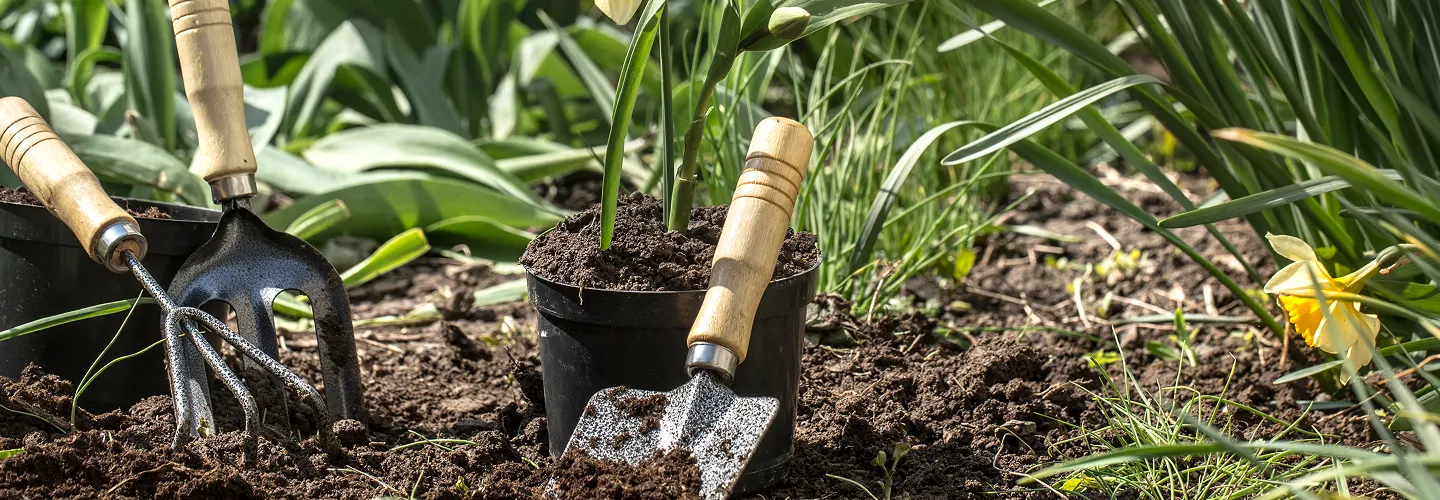
Sanibel Green Waste Disposal Services
Choose our Green Waste Disposal for reliable, environmentally responsible service that keeps your property beautiful and our community green. We make it easy to dispose of yard debris while protecting the environment.
Get a Free QuoteOur Sanibel Landscaping & Yard Care Services
When to Schedule Green Waste Disposal in Sanibel, Florida – Seasonal Guide
Sanibel’s subtropical climate means that green waste disposal is best scheduled with careful attention to the island’s unique weather patterns and lush landscape. The optimal times for green waste removal typically fall after the winter dry season and before the peak of summer rains. For neighborhoods near Periwinkle Way or the Gulf Pines community, late spring and early fall are ideal, as these periods avoid both the risk of frost and the heavy rainfall that can complicate collection and transport.
Local environmental factors play a significant role in determining the best disposal schedule. Sanibel’s sandy soils, high humidity, and dense shade from mature palms and oaks can accelerate organic debris buildup, especially after seasonal storms. Homeowners should also consider municipal guidelines and local resources to ensure compliance with city regulations and to take advantage of community collection events.
Local Factors to Consider for Green Waste Disposal in Sanibel
- Tree density and types of vegetation (e.g., palms, oaks, tropical shrubs)
- Proximity to water bodies and flood-prone areas
- Seasonal precipitation and hurricane risk
- Municipal restrictions and scheduled pickup dates
- Soil type and drainage characteristics
- Shade coverage and microclimates within neighborhoods
Benefits of Green Waste Disposal in Sanibel
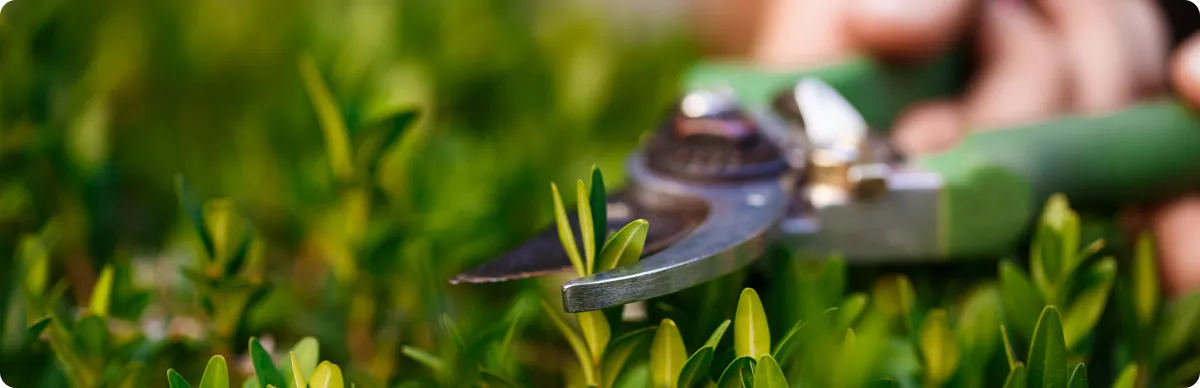
Eco-Friendly Landscaping Solutions
Efficient Green Waste Removal
Promotes Healthy Plant Growth
Reduces Landfill Waste
Supports Local Sustainability
Enhances Property Appearance
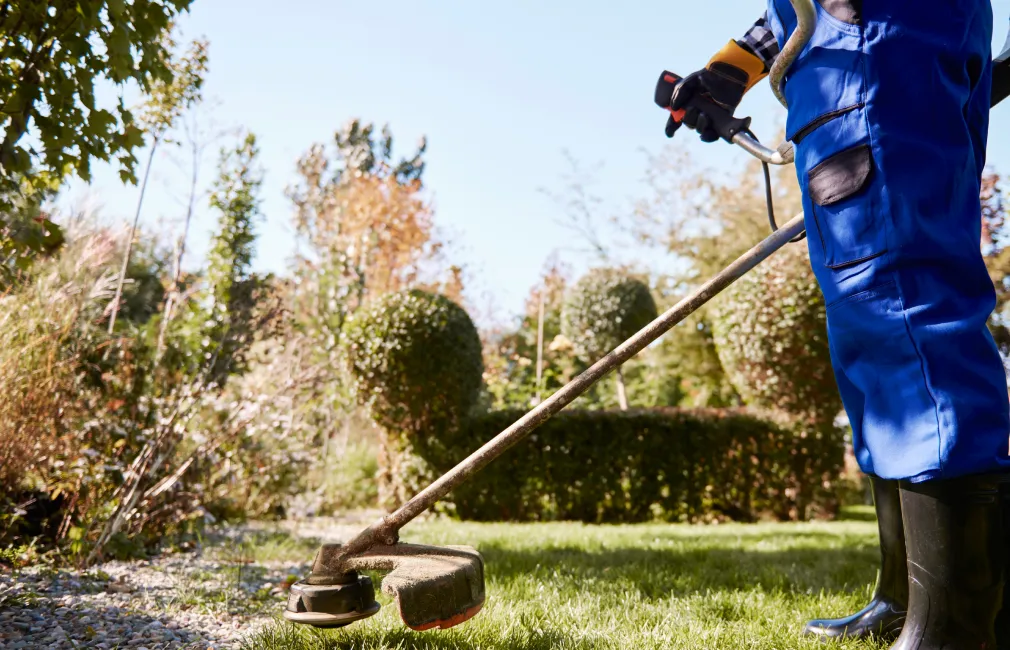
Sanibel Green Waste Disposal Types

Grass Clippings
-
Tree Branches
-
Shrub Trimmings
-
Palm Fronds
-
Leaves
-
Garden Weeds
-
Mulch Debris
Our Green Waste Disposal Process
Collection of Green Waste
Sorting and Separation
Transport to Disposal Facility
Eco-Friendly Processing
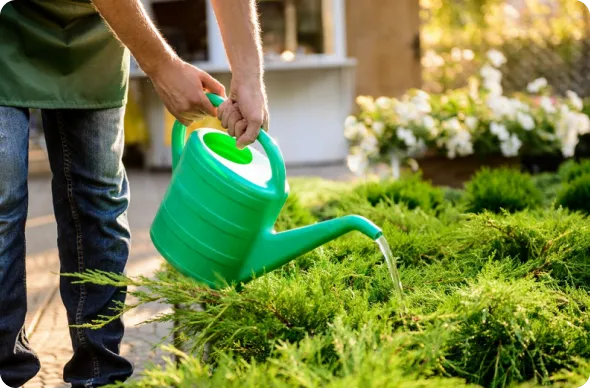
Why Choose Sanibel Landscape Services
-
Sanibel Homeowners Trust Us
-
Expert Lawn Maintenance
-
Reliable Irrigation Solutions
-
Competitive Pricing
-
Professional Team
-
Sustainable Landscaping Practices
-
Personalized Service
Coordinating Green Waste Disposal Through Sanibel's Public Works and Natural Resources Departments
Green waste disposal on Sanibel requires coordination with municipal departments that oversee vegetative debris collection, stormwater protection, and environmental conservation. The City of Sanibel Public Works department manages infrastructure, street maintenance, and debris-related services, and residents should verify current curbside collection schedules, accepted material types, and bundling or container requirements directly with that office before placing green waste at the curb. Sanibel's barrier-island setting means that improperly staged yard waste can migrate into drainage swales, wildlife corridors, and nearshore waters during heavy rain events.
- Confirm whether your green waste qualifies for routine curbside pickup or requires separate bulk vegetative debris scheduling
- Keep all staged materials away from drainage inlets, swales, and canal edges
- Verify container size limits and bundling specifications with Public Works before disposal
- Commercial landscape contractors generating green waste on Sanibel properties should confirm whether separate hauling and disposal arrangements apply
City of Sanibel Public Works
800 Dunlop Road, Sanibel, FL 33957
Official Website: City of Sanibel Public Works
Because Sanibel maintains strict environmental protections through its Natural Resources department, green waste that includes invasive plant species or vegetation removed from conservation-adjacent parcels may be subject to additional handling guidance. Property managers should contact Natural Resources when disposing of material from habitat-sensitive areas.
How Sanibel's Coastal Barrier-Island Conditions Affect Green Waste Disposal
Sanibel sits within USDA Hardiness Zone 10b on a Gulf Coast barrier island characterized by sandy coastal soils, a high water table, salt-influenced air exposure, and intense wet-season rainfall from June through October. These conditions directly shape the volume, timing, and environmental sensitivity of green waste disposal on the island.
- Rapid vegetative growth: Subtropical humidity and summer rainfall accelerate growth in species such as coconut palms, sea grape, gumbo limbo, and various native and ornamental shrubs, producing substantial volumes of trimmings, fronds, and leaf litter during the wet season
- Sandy, porous soils: Sanibel's predominantly sandy substrate, influenced by shell and calcareous material, drains quickly but offers minimal filtration for organic leachate if green waste is stockpiled improperly on-site
- High water table and tidal influence: Decomposing vegetative debris left near low-lying areas or drainage swales can introduce tannins and nutrients into groundwater and surface water systems that ultimately reach San Carlos Bay, Pine Island Sound, and the J.N. "Ding" Darling National Wildlife Refuge
- Storm-season debris surges: Tropical storms and hurricanes generate large volumes of vegetative debris that require coordinated disposal efforts distinct from routine yard waste collection
According to the USDA Web Soil Survey, much of Sanibel consists of sandy coastal soils with limited organic content, making proper green waste removal—rather than on-site dumping—essential for protecting water quality.
Navigating Sanibel's Environmental and Stormwater Regulations for Green Waste Disposal
Sanibel enforces environmental protections that extend to how vegetative debris is handled, staged, and removed from properties. The city's stormwater management program works to protect local waterways from nutrient loading and sediment discharge, and improperly managed green waste can contribute to both. The Florida DEP NPDES Stormwater Program establishes the broader regulatory framework under which Sanibel operates its municipal stormwater system, and the federal Clean Water Act prohibits the discharge of pollutants—including organic debris and yard waste—into waters of the United States.
- Green waste must not be deposited into or adjacent to stormwater conveyances, drainage swales, canals, or retention areas
- Vegetation removed from properties near wetlands, mangrove buffers, or conservation lands may require coordination with the city's Natural Resources department
- Contractors performing large-scale land clearing or vegetation removal should verify whether site-specific review is required through the city's development services process
City of Sanibel Stormwater Management
Official Website: City of Sanibel Stormwater Management
City of Sanibel Natural Resources
Official Website: City of Sanibel Natural Resources
Residents should also be aware that UF/IFAS guidance on protecting Florida's water resources emphasizes keeping all organic material, clippings, and debris out of stormwater systems to reduce nutrient loading in downstream waterways.
Timing and Methods for Green Waste Disposal on Sanibel's Barrier Island
Effective green waste disposal on Sanibel depends on aligning removal schedules with the island's seasonal growth patterns, storm cycles, and municipal collection logistics. The wet season from June through October produces the highest volumes of vegetative debris due to accelerated tropical growth, while the dry season from November through May typically generates lighter but steady accumulations of palm fronds, leaf litter, and pruning waste.
- Staging: Place bundled or containerized green waste at the designated curbside location on the scheduled collection day; do not stage materials days in advance where wind or rain could scatter debris into roadways or drainage features
- Separation: Keep green waste separate from household trash, construction debris, and recyclables to ensure proper processing
- Storm preparation: Before tropical weather events, prioritize removal of loose palm fronds, dead branches, and accumulated yard debris that could become windborne hazards or block drainage infrastructure
- Volume management: Properties with heavy canopy cover from species such as black olive, coconut palm, or Australian pine may require more frequent disposal cycles during peak growth months
Professional landscape operators working on Sanibel should maintain their own hauling and disposal arrangements rather than relying solely on residential curbside collection, and should confirm current disposal site requirements with the city.
What Neighborhoods Do We Serve Throughout Sanibel, FL?
- Sanibel Estates: Established residential area with mature tropical landscaping, large lots, and canal-adjacent parcels that require careful staging of green waste away from waterfront edges
- The Dunes: Golf course community with dense ornamental plantings and HOA-maintained common areas that generate consistent volumes of trimming debris throughout the growing season
- Gulf Pines: Wooded residential enclave with heavy native canopy cover producing significant leaf litter and branch drop, particularly during storm season
- Tahitian Gardens: Mixed-use area near Periwinkle Way where commercial and residential green waste disposal must be coordinated to avoid obstructing pedestrian and vehicle access
- Blind Pass: Properties near the western end of the island with coastal vegetation, sea grape hedges, and salt-tolerant plantings that produce specialized green waste requiring proper disposal routing
- East End: Canal-front and bay-front properties where green waste must be kept clear of seawalls, drainage outfalls, and tidal zones to protect water quality in San Carlos Bay