
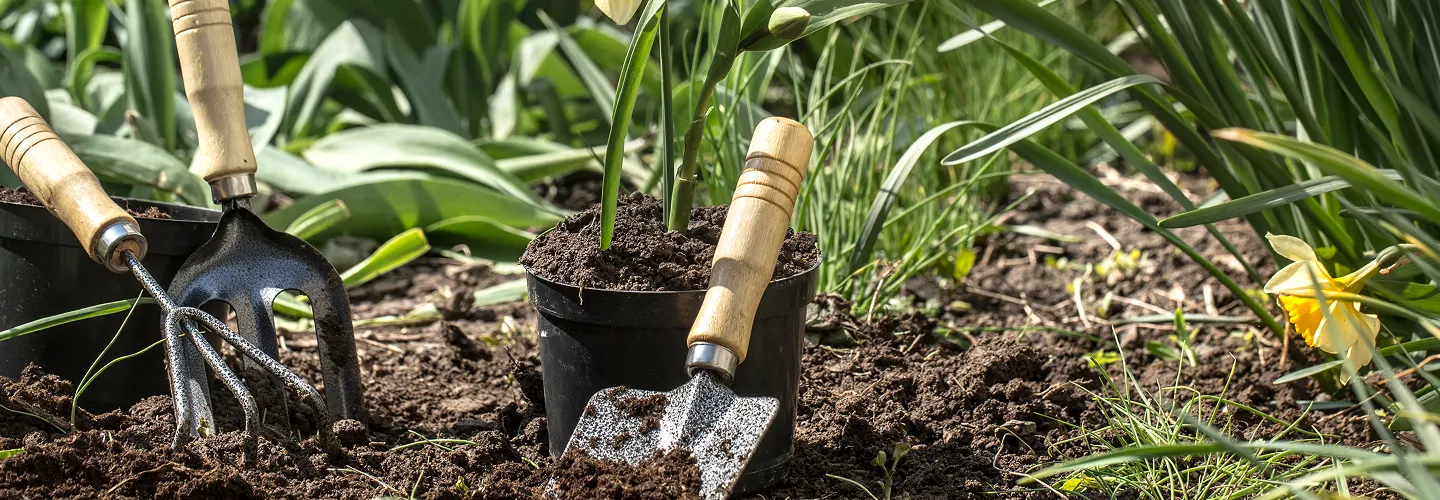
Sanibel Lawn Seeding Services
Choose our lawn seeding services for lush, resilient grass that thrives in Sanibel’s unique climate—our experienced team uses premium seed blends and proven techniques to ensure your yard looks vibrant and healthy all year long.
Get a Free QuoteOur Sanibel Landscaping & Yard Care Services
When to Schedule Lawn Seeding in Sanibel, Florida – Seasonal Guide
In Sanibel, Florida, timing your lawn seeding is crucial for achieving a lush, healthy yard that thrives in our unique subtropical climate. The best periods for seeding are typically late spring and early fall, when soil temperatures are warm enough to encourage rapid germination but before the peak of summer heat or the onset of winter's cooler nights. Neighborhoods near Periwinkle Way and the Gulf Pines area often see the best results when seeding is scheduled to avoid the heavy summer rains and the rare, but possible, late-winter cold snaps.
Local environmental factors play a significant role in determining the optimal seeding window. Sanibel’s sandy soils, high humidity, and occasional drought conditions require careful selection of grass varieties and timing. Properties shaded by mature palms or oaks, such as those near the Sanibel Lighthouse, may need a different approach than open, sun-drenched lots. For more information on local climate and municipal guidelines, visit the official city resource.
Local Factors to Consider for Lawn Seeding in Sanibel
- Tree density and shade coverage
- Soil type and drainage characteristics
- Seasonal precipitation patterns
- Proximity to saltwater or brackish areas
- Municipal watering restrictions
- Risk of drought or excessive humidity
- Terrain slope and erosion potential
Benefits of Lawn Seeding in Sanibel
Thicker, Healthier Lawns
Improved Curb Appeal
Enhanced Weed Resistance
Customized Grass Selection
Eco-Friendly Landscaping Solutions
Professional Expertise and Support
Sanibel Lawn Seeding Types

Bermuda Grass Seeding
-
Zoysia Grass Seeding
-
St. Augustine Grass Seeding
-
Centipede Grass Seeding
-
Bahia Grass Seeding
-
Fescue Grass Seeding
-
Ryegrass Seeding
Our Lawn Seeding Process
Site Preparation
Soil Testing
Seed Selection
Seeding Application
Watering and Maintenance
Why Choose Sanibel Landscape Services
-
Sanibel Homeowners Trust Us
-
Expert Lawn Maintenance
-
Reliable Irrigation Solutions
-
Competitive Pricing
-
Professional Team
-
Sustainable Landscaping Practices
-
Personalized Service
Coordinating Lawn Seeding Projects with Sanibel's Municipal Departments and Programs
Lawn seeding on Sanibel requires coordination with several city departments due to the island's unique environmental sensitivity and conservation-oriented governance. Before initiating any seeding project, residents and property managers should confirm whether site work near drainage swales, wetland buffers, or conservation easements triggers review by the city. The City of Sanibel Natural Resources department oversees habitat protection and environmental programs that may affect turf establishment near preserved lands. Additionally, any seeding activity that involves soil disturbance, grading, or irrigation modifications adjacent to stormwater infrastructure should be discussed with the appropriate municipal office to ensure compliance with the island's water quality objectives.
- Confirm whether your property borders a conservation zone, wetland buffer, or wildlife corridor before seeding
- Coordinate with Public Works regarding any work near drainage infrastructure, swales, or rights-of-way
- Verify current irrigation allowances through the South Florida Water Management District, as watering restrictions directly affect seed germination schedules
City of Sanibel Natural Resources
800 Dunlop Road, Sanibel, FL 33957
Official Website: City of Sanibel Natural Resources
City of Sanibel Public Works
800 Dunlop Road, Sanibel, FL 33957
Official Website: City of Sanibel Public Works
How Sanibel's Coastal Soils and Subtropical Climate Shape Lawn Seeding Outcomes
Sanibel falls within USDA Hardiness Zone 10b and is classified as a Gulf Coast Florida barrier island, which creates distinct challenges for lawn seeding compared to mainland communities. The island's soils are predominantly sandy coastal formations with shell fragments, low organic matter, and rapid drainage characteristics consistent with the USDA Web Soil Survey data for Lee County barrier islands. These conditions cause rapid nutrient leaching and poor moisture retention, both of which undermine seed-to-soil contact and germination success.
- Salt exposure: Windborne salt spray affects turf vigor, particularly on properties near the Gulf shoreline or bay side, limiting viable grass species
- High water table: Seasonal water table fluctuations during the wet season (June through October) can saturate root zones and inhibit seedling establishment
- Sandy, shell-influenced soils: Seed tends to shift or wash away without proper soil amendment and stabilization, making surface preparation critical
- Humidity and fungal pressure: Persistent summer humidity promotes damping-off and fungal diseases in newly seeded areas, requiring careful irrigation management
Given these conditions, UF/IFAS Gardening Solutions notes that many warm-season turfgrasses used in South Florida—particularly St. Augustinegrass—are typically established by sod or plugs rather than seed. Bahiagrass and bermudagrass are among the limited warm-season options that can be reliably seeded in this region, and species selection must account for salt tolerance and drought recovery.
Navigating Sanibel's Environmental and Stormwater Regulations for Lawn Seeding
Sanibel's regulatory framework reflects its status as a conservation-focused barrier island community. Any lawn seeding project must account for the city's stormwater management requirements, which are designed to protect the Sanibel River, interior wetlands, Tarpon Bay, Pine Island Sound, and surrounding Gulf waters. The City of Sanibel Stormwater Management program addresses drainage solutions and water quality protection that directly affect how turf establishment activities are conducted.
- Loose seed, soil amendments, and fertilizer applied during establishment must be kept out of swales, drainage inlets, and canal edges to comply with Florida DEP NPDES Stormwater Program standards
- Fertilizer use during and after seeding should follow the fertilizer ordinance framework outlined in Florida Statutes §403.9337; verify current local blackout periods with the city before applying starter fertilizer
- Properties adjacent to the J.N. "Ding" Darling National Wildlife Refuge or other preserved areas may face additional environmental review requirements
- Pesticide or pre-emergent herbicide applications during seeding establishment require proper licensing through the FDACS Pesticide Applicator Certification program
City of Sanibel Stormwater Management
800 Dunlop Road, Sanibel, FL 33957
Official Website: City of Sanibel Stormwater Management
Timing and Methods for Lawn Seeding in Sanibel's Warm-Season Growing Environment
Professional lawn seeding on Sanibel must align with the island's warm-season growth cycles and subtropical rainfall patterns. The optimal seeding window for bahiagrass and bermudagrass generally falls between late April and early July, when soil temperatures consistently exceed 65°F and natural rainfall supports germination without excessive washout risk. Seeding too late into the peak wet season (August–September) increases the likelihood of seed displacement from heavy downpours and elevates fungal disease pressure.
- Soil preparation: Rake or lightly till the top layer to improve seed-to-soil contact; on Sanibel's sandy soils, incorporating a thin layer of organic topdressing can improve moisture retention around seeds
- Seed rate and coverage: Follow species-specific seeding rates from UF/IFAS lawn establishment guidance rather than generic bag instructions
- Irrigation during establishment: Light, frequent watering two to three times daily for the first two to three weeks is standard practice; coordinate with current water management district irrigation schedules to avoid violations
- Erosion and runoff control: On sloped or exposed lots, use biodegradable erosion blankets or straw matting to hold seed in place and prevent sediment from entering nearby drainage systems
- Limitations of seeding: St. Augustinegrass, the most common turf on Sanibel, is not commercially available as seed and must be installed via sod or plugs; seeding is practical primarily for bahiagrass and certain bermudagrass cultivars
What Neighborhoods Do We Serve Throughout Sanibel, FL?
- Sanibel Estates: Properties in this established residential area often feature mature tree canopy and shaded lots, requiring careful turf species selection and adjusted seeding rates to account for reduced sunlight penetration.
- The Dunes: This golf course community includes irrigated common areas and individual lots where seeding projects must coordinate with HOA landscape standards and existing irrigation infrastructure.
- Gulf Pines: Lots adjacent to preserved natural areas may require environmental review coordination, and the sandy, wooded terrain demands additional soil preparation before seeding.
- Tahitian Gardens Area: Commercial and mixed-use properties near Periwinkle Way present compact lot conditions where seed containment and runoff management into adjacent drainage systems are primary concerns.
- Blind Pass: Properties near the western end of the island experience elevated salt exposure and wind, narrowing the range of grass species suitable for successful seed establishment.
- East End / Lighthouse Area: Residential lots near the Sanibel Lighthouse and bay shoreline contend with tidal influence on the water table, requiring careful irrigation scheduling during seed germination periods.