
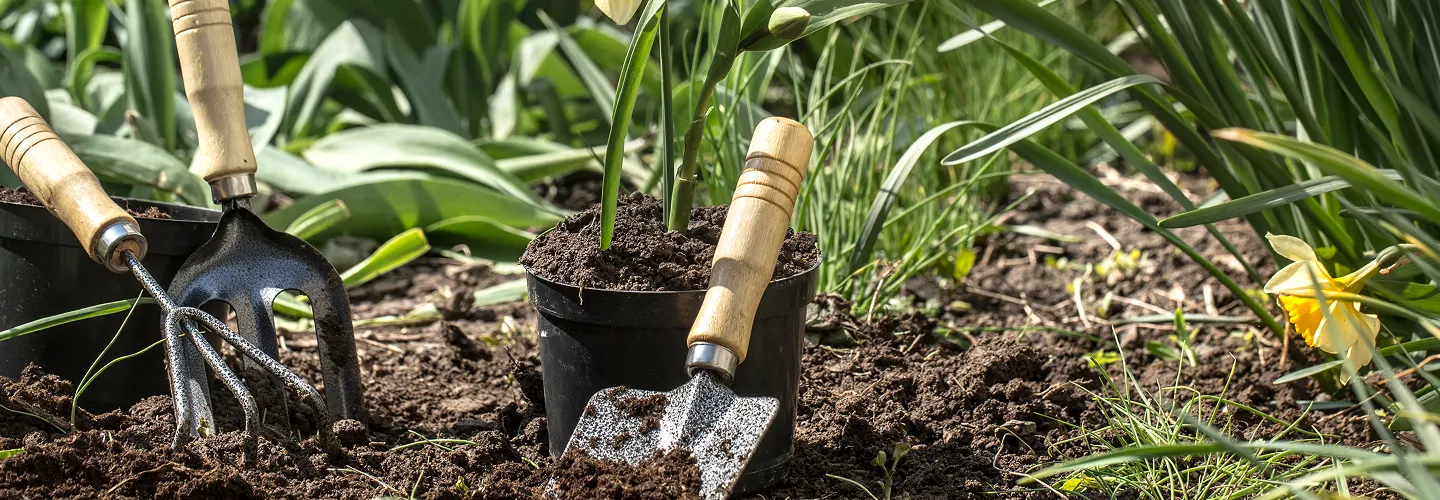
Sanibel Flower Planting Services
Choose our flower planting services for vibrant, healthy blooms that enhance your curb appeal and thrive in Sanibel’s unique climate—crafted by local experts who care about your garden’s lasting beauty.
Get a Free QuoteOur Sanibel Landscaping & Yard Care Services
When to Schedule Flower Planting in Sanibel, Florida – Seasonal Guide
Flower planting in Sanibel, Florida, is best scheduled with careful attention to the island’s subtropical climate and unique landscape features. The optimal planting windows are typically late fall through early spring, when temperatures are milder and rainfall is more predictable. This timing helps new plantings establish strong root systems before the intense summer heat and humidity arrive. In neighborhoods like The Dunes or near the Sanibel Lighthouse, proximity to the Gulf can moderate temperatures, but also brings higher humidity and occasional salt spray, which should be considered when selecting flower varieties and planting times.
Local environmental factors play a significant role in determining the best time for flower planting. Sanibel’s sandy soils drain quickly, making drought risk a concern during drier months, while shaded areas under mature tree canopies in places like Gulf Pines may require different timing and plant choices. It’s also important to monitor the last frost date—usually in late January or early February—to avoid cold damage to tender annuals. For more information on local planting guidelines and municipal considerations, visit the official city resource.
Local Factors to Consider for Flower Planting in Sanibel
- Tree density and shade coverage in your yard
- Soil type and drainage, especially in sandy or low-lying areas
- Seasonal precipitation patterns and drought risk
- Proximity to saltwater and exposure to salt spray
- Municipal restrictions or neighborhood association guidelines
- Terrain variations, such as elevation or proximity to wetlands
Benefits of Flower Planting in Sanibel
Expert Local Knowledge
Customized Landscape Designs
Eco-Friendly Plant Selection
Year-Round Colorful Blooms
Professional Maintenance Services
Enhanced Curb Appeal
Sanibel Flower Planting Types

Annual Flower Beds
-
Perennial Gardens
-
Native Wildflower Plantings
-
Pollinator-Friendly Gardens
-
Shade-Loving Flower Arrangements
-
Coastal Dune Plantings
-
Container Flower Displays
Our Flower Planting Process
Site Evaluation
Soil Preparation
Flower Selection
Planting
Watering and Mulching
Why Choose Sanibel Landscape Services
-
Sanibel Homeowners Trust Us
-
Expert Lawn Maintenance
-
Reliable Irrigation Solutions
-
Competitive Pricing
-
Professional Team
-
Sustainable Landscaping Practices
-
Personalized Service
Coordinating Flower Planting Projects with Sanibel's Natural Resources Department
Sanibel's commitment to environmental conservation directly shapes how flower planting projects are planned and executed on the island. The City of Sanibel Natural Resources Department oversees habitat protection and environmental programs that may affect planting activities near conservation areas, wildlife corridors, and coastal zones. Before initiating flower planting on properties adjacent to preserved lands or wetland buffers, residents and property managers should verify whether environmental review applies to their specific site. The city's development review process may require coordination when planting involves ground disturbance near sensitive areas. Property owners should also confirm that selected plant species align with the city's emphasis on native and non-invasive vegetation, as Sanibel maintains strong ecological standards island-wide.
- Confirm whether your property borders conservation land, wetland buffers, or wildlife corridors before planting
- Verify that all selected flower species are non-invasive and appropriate for Sanibel's ecological context
- Coordinate with the Natural Resources Department for planting near environmentally sensitive zones
- Review site-specific drainage patterns to avoid disrupting natural water flow during bed preparation
City of Sanibel Natural Resources
Official Website: City of Sanibel Natural Resources
How Sanibel's Coastal Soils and Subtropical Climate Shape Flower Planting
Sanibel falls within USDA Hardiness Zone 10b and is classified as a Gulf Coast Florida barrier island with a tropical-subtropical climate. These conditions create a distinct set of challenges and opportunities for flower planting. The island's soils are predominantly sandy and shell-influenced with rapid drainage and low organic matter, meaning nutrients leach quickly and supplemental soil amendment is typically necessary before planting. The high water table across much of the island can saturate root zones during the wet season (June through October), when Sanibel receives the majority of its approximately 55 inches of annual rainfall. Salt exposure from wind-driven spray affects plant selection, particularly on properties closer to the Gulf or bay shorelines. Humidity remains elevated year-round, increasing fungal pressure on flower foliage and blooms. According to the USDA Plant Hardiness Zone Map, Zone 10b supports a wide range of tropical and subtropical flowering species, but selections must tolerate both intense summer heat and occasional dry-season drought stress. Irrigation dependence is high during the dry months of November through May, and efficient delivery through drip emitters or micro-spray heads reduces waste and protects nearby stormwater systems.
- Sandy, shell-based soils require organic amendment to improve moisture and nutrient retention
- Salt-tolerant species are essential for properties exposed to Gulf or bay winds
- High humidity increases the risk of fungal diseases such as powdery mildew and leaf spot
- Wet-season saturation can damage shallow-rooted annuals if beds lack adequate drainage
Navigating Sanibel's Environmental and Stormwater Regulations for Flower Planting
Flower planting on Sanibel must account for the island's rigorous environmental protections and stormwater management standards. The City of Sanibel Stormwater Management program works to protect water quality in surrounding waterways, including the Sanibel River, interior wetlands, and the Ding Darling Wildlife Refuge watershed. Excess soil, mulch, or fertilizer from planting projects must not enter swales, drainage channels, or stormwater conveyances. Florida Statutes §403.9337 establishes the model ordinance framework for Florida-Friendly fertilizer use on urban landscapes, and property owners should verify current local fertilizer application restrictions, including any seasonal blackout periods that may apply. Any chemical pest or weed treatments applied in conjunction with flower planting must comply with FDACS pesticide applicator licensing requirements. The city's planning and zoning framework may also apply to larger-scale landscape modifications; property owners should confirm with the appropriate department whether site work triggers review.
City of Sanibel Stormwater Management
Official Website: City of Sanibel Stormwater Management
- Keep all soil amendments, mulch, and granular fertilizer out of swales, storm drains, and canal edges
- Verify current fertilizer ordinance restrictions before applying any nutrients to new flower beds
- Ensure any pesticide or herbicide application is performed by a properly licensed applicator
- Confirm whether landscape modifications on your property require development review or zoning compliance
Timing and Professional Standards for Flower Planting in Sanibel's Growing Seasons
Sanibel's year-round growing season allows for multiple planting windows, but professional timing significantly affects establishment success. The optimal primary planting window for most warm-season annuals and perennials falls between October and March, when temperatures moderate, rainfall decreases, and transplant shock is reduced. Summer planting is feasible for heat-tolerant tropicals such as pentas, lantana, plumbago, and firebush, but requires immediate and consistent irrigation coverage. Bed preparation should include removal of existing weeds and roots, incorporation of compost or organic matter into the top several inches of sandy soil, and installation of a 2–3 inch layer of mulch to moderate soil temperature and retain moisture. Drip irrigation or micro-spray emitters are preferred over overhead watering to minimize foliar disease and reduce water waste, consistent with EPA WaterSense outdoor efficiency guidance. Flower beds near impervious surfaces such as driveways and walkways should be graded to direct runoff into planted areas rather than toward stormwater infrastructure.
- Select species proven for Zone 10b coastal conditions: pentas, blanket flower, beach sunflower, coontie, and native wildflowers
- Amend sandy soils with composted organic matter before planting to improve water-holding capacity
- Install drip or micro-spray irrigation to each planting zone for efficient water delivery
- Apply mulch at 2–3 inches depth, keeping it pulled back from plant stems to prevent crown rot
- Avoid planting during peak wet-season months (July–September) unless species are flood-tolerant
City of Sanibel Public Works
Official Website: City of Sanibel Public Works
What Neighborhoods Do We Serve Throughout Sanibel, FL?
- Sanibel Highlands — Properties in this interior area often feature sandy, low-lying lots where flower bed drainage must be carefully managed to prevent wet-season root saturation.
- The Dunes — This golf-course community includes irrigated common areas and individual lots where salt-tolerant, low-maintenance flower selections complement existing landscape standards.
- Gulf Pines — Mature canopy cover in this neighborhood creates partial to full shade conditions, requiring shade-tolerant flower species such as impatiens or bromeliads for successful establishment.
- Gumbo Limbo — Residential lots here are surrounded by native vegetation, and flower planting should prioritize native or Florida-Friendly species that align with the area's conservation character.
- Shell Harbor — Canal-front properties in Shell Harbor require careful attention to runoff control during bed preparation and fertilizer application to protect adjacent waterways.
- Tahiti Shores — Proximity to the bay exposes plantings to salt spray, making species selection critical for long-term flower bed performance on these waterfront lots.