
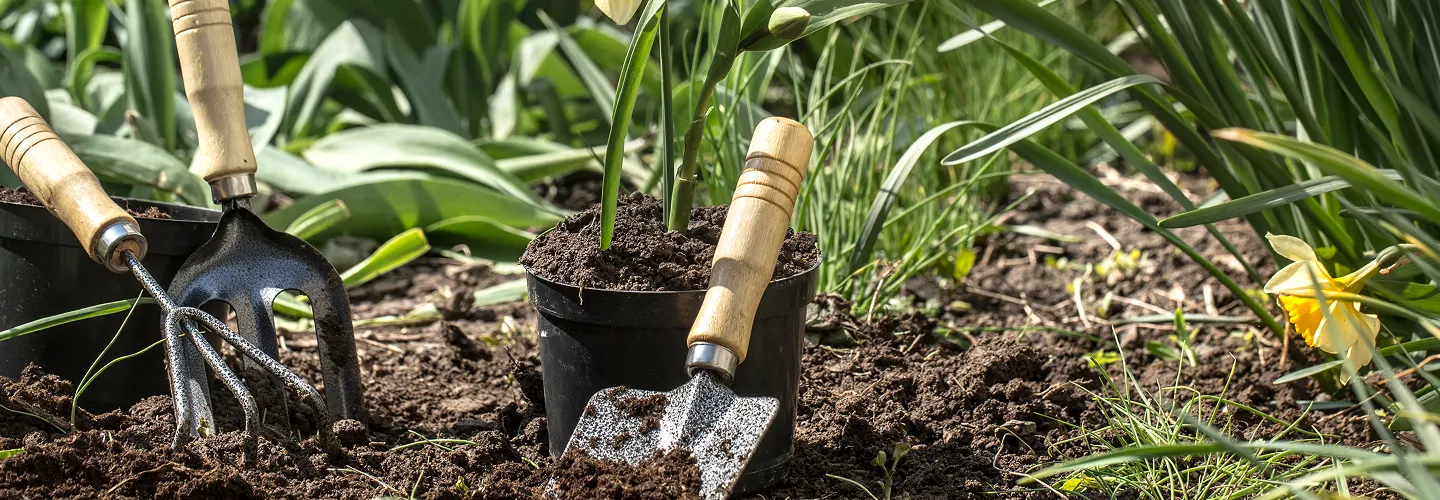
Sanibel Lawn Leveling Services
Choose our expert lawn leveling services for a healthier, more beautiful yard—enjoy improved drainage, safer play areas, and a lush, flawless landscape that stands out in your neighborhood.
Get a Free QuoteOur Sanibel Landscaping & Yard Care Services
When to Schedule Lawn Leveling in Sanibel, Florida – Seasonal Guide
In Sanibel, Florida, the best time to schedule lawn leveling is typically during the late spring or early fall. These periods offer moderate temperatures and consistent rainfall, which help newly leveled lawns recover quickly and establish healthy growth. Sanibel’s subtropical climate means that summers can be hot and humid, while winters are mild with minimal frost risk—making it important to avoid the peak summer heat and the rare but possible winter cold snaps. Neighborhoods near Periwinkle Way or close to the J.N. "Ding" Darling National Wildlife Refuge often experience unique microclimates, with varying shade coverage and soil moisture levels that can impact the timing and success of lawn leveling projects.
Local environmental factors such as sandy soils, high humidity, and occasional drought conditions should be considered when planning your project. For example, areas with dense tree canopies, like those found in the Dunes or Gumbo Limbo neighborhoods, may require special attention to shade and moisture retention. Additionally, it’s important to stay informed about any municipal guidelines or seasonal water restrictions, which can be found on the City of Sanibel’s official website.
Local Factors to Consider for Lawn Leveling in Sanibel
- Tree density and shade coverage
- Soil type (sandy vs. loamy)
- Seasonal precipitation patterns
- Proximity to saltwater or marshland
- Municipal watering restrictions
- Terrain slope and drainage characteristics
- Neighborhood-specific microclimates
Benefits of Lawn Leveling in Sanibel

Enhanced Curb Appeal
Improved Lawn Health
Safer Outdoor Spaces
Efficient Water Drainage
Easier Lawn Maintenance
Increased Property Value
Sanibel Lawn Leveling Types

Topdressing Lawn Leveling
-
Laser Grading
-
Sod Replacement Leveling
-
Soil Regrading
-
Power Raking Leveling
-
Manual Lawn Leveling
-
Hydroseeding Leveling
Our Lawn Leveling Process
Site Evaluation
Soil Preparation
Leveling Application
Compacting and Grading
Final Inspection
Why Choose Sanibel Landscape Services
-
Sanibel Homeowners Trust Us
-
Expert Lawn Maintenance
-
Reliable Irrigation Solutions
-
Competitive Pricing
-
Professional Team
-
Sustainable Landscaping Practices
-
Personalized Service
Coordinating Lawn Leveling Projects with Sanibel's Municipal Stormwater and Public Works Programs
Lawn leveling on Sanibel requires careful coordination with city departments because the island's low elevation and sensitive drainage infrastructure demand that grading work does not redirect surface water toward neighboring properties, conservation lands, or stormwater conveyance systems. Before beginning any grade correction, property owners should confirm whether the scope of work affects swales, drainage easements, or rights-of-way maintained by the city. The City of Sanibel Stormwater Management program oversees water quality protection initiatives that directly intersect with any site work altering surface flow patterns.
- Verify that proposed grade changes do not obstruct or redirect flow within municipal swales or drainage channels
- Confirm whether the project area falls within a stormwater easement or utility corridor before importing fill material
- Coordinate with Public Works regarding any displaced soil, sod debris, or vegetative waste generated during leveling
City of Sanibel Stormwater Management
800 Dunlop Road, Sanibel, FL 33957
Official Website: City of Sanibel Stormwater Management
City of Sanibel Public Works
800 Dunlop Road, Sanibel, FL 33957
Official Website: City of Sanibel Public Works
How Sanibel's Coastal Sandy Soils and High Water Table Affect Lawn Leveling
Sanibel sits within USDA Hardiness Zone 10b and is classified as a Gulf Coast Florida barrier island with subtropical conditions. The island's soils are predominantly sandy coastal formations with shell fragments, offering rapid drainage but minimal nutrient retention. According to the USDA Web Soil Survey, much of Sanibel features poorly drained to moderately well-drained sandy soils with a seasonally high water table that can rise within inches of the surface during the wet season from June through October.
- Sandy substrate shifting: Loose coastal sands settle unevenly after heavy rainfall or tropical storm events, creating depressions that trap standing water and promote fungal stress in St. Augustinegrass
- High water table: Grade corrections must account for the shallow water table; over-filling low areas without proper drainage routing can create saturated zones that damage turf root systems
- Salt exposure: Properties near the Gulf or bay shoreline experience salt spray and brackish groundwater intrusion, which affects both fill material selection and turf recovery after leveling
- Wet-season runoff intensity: Sanibel receives approximately 55 inches of annual rainfall, with the majority concentrated between June and September, making drainage flow direction a critical factor in any leveling plan
Navigating Sanibel's Environmental and Development Review Requirements for Lawn Leveling
Sanibel enforces some of the most protective land development regulations in Florida, reflecting the island's commitment to conservation. Property owners should consult the City of Sanibel Natural Resources department before leveling work near wetlands, mangrove buffers, wildlife corridors, or preserved vegetation zones. The city may apply review requirements depending on location or scope, particularly for properties adjacent to the Sanibel River, interior wetlands, or the J.N. "Ding" Darling National Wildlife Refuge.
- Any import of fill material should be verified as clean, weed-free sand or sandy loam compatible with the island's native soil profile
- Erosion and sediment control measures are expected under the Florida DEP NPDES Stormwater Program when site disturbance could discharge sediment into waterways
- Lawn leveling that alters existing drainage patterns near canals, retention areas, or tidal zones may trigger additional review through the Building Department
- Contractors performing any chemical application during turf recovery must hold valid credentials through FDACS Pesticide Applicator Licensing
City of Sanibel Natural Resources
800 Dunlop Road, Sanibel, FL 33957
Official Website: City of Sanibel Natural Resources
Timing and Methods for Lawn Leveling on Sanibel's Barrier Island Landscape
Professional lawn leveling on Sanibel should be scheduled during the active warm-season growth period—typically April through early June—when St. Augustinegrass and other warm-season turf varieties can recover quickly from topdressing and grade adjustment. Avoiding the peak wet season (July through September) reduces the risk of fill material washing into swales or drainage channels before turf can stabilize the surface. As recommended by UF/IFAS Gardening Solutions, topdressing should use material that closely matches the existing soil texture to prevent layering problems that impede root growth and water infiltration.
- Apply no more than approximately one-half inch of compatible sand or sand-soil blend per application to avoid smothering existing turf
- Use a landscape drag or leveling rake to distribute fill evenly into low spots, ensuring grass blades remain partially exposed
- Direct all corrected grades to move water away from foundations, driveways, and toward designated swale or drainage paths
- Irrigate lightly after topdressing to settle material into the turf canopy without creating runoff
- For deeper depressions exceeding one to two inches, plan phased applications over multiple growth cycles rather than a single heavy fill
What Neighborhoods Do We Serve Throughout Sanibel, FL?
- The Dunes: Properties in this golf-course community often experience settlement along irrigated turf areas, and leveling work should account for proximity to interior lakes and stormwater retention features.
- Sanibel Highlands: Older residential lots in this area may have uneven grades from decades of root growth and organic matter accumulation in sandy soils near conservation land.
- Gulf Pines: Heavily shaded lots beneath mature canopy trees require leveling approaches that address root competition and reduced turf density in low-light conditions.
- Gumbo Limbo: This established neighborhood features varied lot elevations and mature landscaping where grade corrections must preserve existing drainage flow toward interior swales.
- Shell Harbor: Canal-front properties in Shell Harbor demand careful attention to seawall-adjacent grading and ensuring leveled surfaces drain away from bulkheads and waterways.
- Beachview Estates: Properties along the golf course corridor may require coordination with shared drainage infrastructure when correcting turf depressions near fairway boundaries.